
Our STory
Veritas Recovery began in 2025, but the seeds were planted long before that—in the fertile soil of Wisconsin’s obsession with alcohol, where drinking culture is the culture.
That’s where Jonathon M. Seidl—Jon, as he’s known to most—grew up. He got drunk for the first time in his early teens. And even though that didn’t mark an immediate fall into addiction, alcohol would become his main coping mechanism in adulthood. But what started as a means to cope and escape eventually took over his life and nearly cost him everything.
After hitting rock bottom on a beach in Miami in 2023 despite knowing, loving, and following Jesus, Jon finally made a promise he was able to fulfill through the power of the Holy Spirit: He got to the root of why he was running to alcohol. He waded through childhood trauma, brokenness, and heart-level issues that had festered for decades. He finally gave the hurt, angry, and fearful parts of himself over to Jesus—and finally learned what it meant to abide by in Christ. As that process unfolded, God began restoring what the locusts had eaten (Joel 2:25).
In 2025, Jon told his addiction story in his bestselling book Confessions of a Christian Alcoholic, a radically vulnerable look at how and why Christians can fall into the “big sins” despite following Jesus. Not only did it chronicle his decades-long battle with alcohol and the true roots of his addiction, it also outlined the four steps God brought him through that led to Gospel-centered recovery.
Quickly after release, he began receiving messages from around the world—raw, honest, and often desperate messages from people who resonated with his story and were looking for help.
Everyone from dads, to moms, to business leaders, and even pastors admitting to loving Jesus but feeling trapped in sin patterns they couldn’t break. Many had never seen their struggle framed as something more than just unwanted behaviors. For the first time, they realized addiction wasn’t just about substances—it was about misordered worship, which required full surrender to Jesus to allow him to get to the root of the problem. The answer wasn’t simply a “higher power,” a series of steps, or a program—the answer was Gospel-centered recovery that shot for Jesus and got sobriety thrown in.
But recognition wasn’t enough.
Too many were mired in shame and afraid to tell anyone. Others lived in areas with no Gospel-centered recovery resources. All didn’t know where to begin. They resonated with the message but lacked a pathway.
Veritas Recovery was born out of that need. In December of 2025, with the help of his wife Brett and close friend Travis Blakeley, he officially launched the ministry. By January it had received its first donation. By February, it was officially recognized as a 501(c)(3) tax-exempt organization. And today, it is helping numerous people find freedom all across the country and even the world.
In some ways, Veritas is the culmination and integration of Jon’s writing, teaching, speaking, and call to proclaim gospel-centered recovery to the masses. But it’s much bigger than just Jon. The goal is to help addicts of all sorts and at all levels find not just sobriety, but the true and lasting freedom found in Jesus. Six pillars undergird the organization: community, resources, education, media, retreats, and equipping & empowering.
Today, Jon leads the ministry alongside a dedicated board committed to building a Gospel-centered recovery movement—equipping individuals, strengthening churches, creating frontline resources, and then pointing people to deeper discipleship, biblical community, and appropriate programs.
There is Hope
Veritas Recovery is especially—but not exclusively—for people who love Jesus but feel stuck doing what they don’t want to do.
We draw close to those struggling with addictions, unhealthy patterns, or misordered desires and help them find freedom through the truth of the gospel and the power of biblical community. We’re for those who run from labels, “look fine” to everyone else, or are suffering in silence. They may not know what to do, but they know something isn’t right. They’re tired of hiding, tired of struggling, and tired of just trying harder.
We’re for the affected, the afflicted, the addicted, the wobbly, and the weak-kneed. Where the misordered has become disordered. The stuck that don’t know why. The ones wanting to address the hurt before it turns into harm. The downtrodden who have become destitute. The secretly depressed. And the drunk.
Those mired in shame that keeps them from church, those who lack access to Gospel-centered resources, and those who don’t quite fit in with secular programs..
Enter Veritas Recovery.
We’re not a hospital. That’s the church. We’re not a doctor. That’s Jesus. We exist as a spiritual first responder, offering immediate help, hope, and resources for those navigating messy sanctification and unsure where to turn.
We introduce, teach, and point people who lack access, knowledge, or courage toward Gospel-centered recovery. Because freedom is different from sobriety.
Our ultimate goal is not sobriety, although that’s important. Our ultimate goal is Jesus. Aim for him and the holistic healing he offers—from sin, from brokenness, from trauma—and get sobriety thrown in. Allow him to get to the roots to get to the rot.
If you’re ready to stop pretending and start moving toward real freedom in Christ, you’re in the right place.
What we do
We focus our efforts on what we call six strategic pillars, which help us live out our overall mission.
MEDIA
We tell real stories of remarkable comebacks. But we don’t just tell traditional addiction stories, we amplify stories of restoration involving all types of addictions, at all levels, and in all walks of life. Our goal is to reach the maximum amount of people with high-quality media that breaks through algorithms and reminds people that they are not alone on their journeys of messy sanctification—from our upcoming “I Recover Out Loud” testimony videos, to the “Confessions of a Christian Alcoholic” podcast.
COMMUNITY
We’ve created a community where people can find others just like them, where they can be encouraged with Gospel truths, and where they can practice radical vulnerability. Not as a replacement for the local church, but as a supplement to it. In fact, our goal is to point people to helpful programs and long-term, deep discipleship that only the local church and Gospel-centered recovery programs can fulfill. But we are a place where people can start. So every Sunday night at 7p CT, we host a free online meeting for anyone interested. No gimmicks, no commitment, just radical vulnerability with people just like you. Join here.
RESOURCES
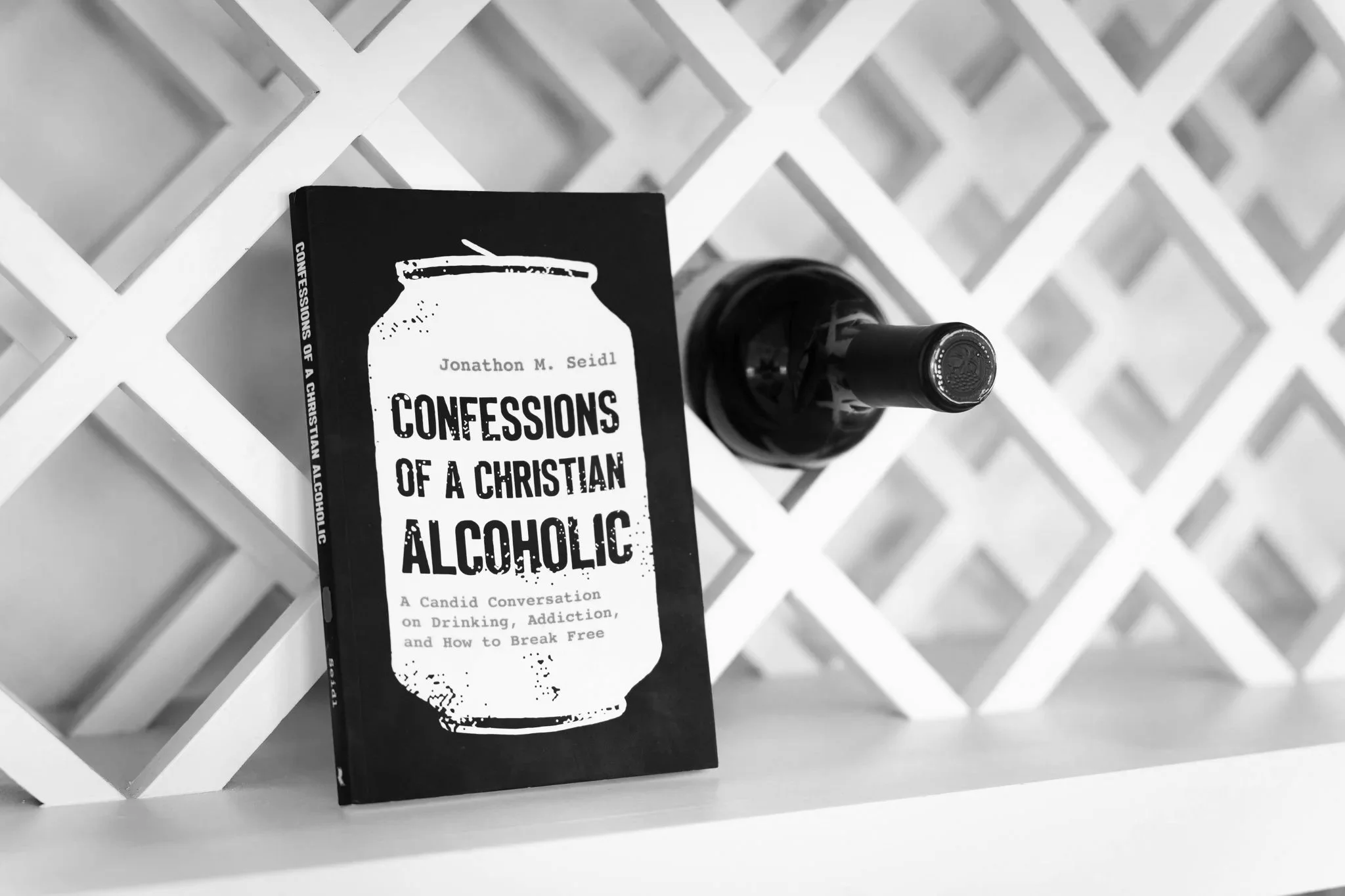
We create quality, frontline resources for those who either don’t have access to Gospel-centered recovery, don’t know what it is, or aren’t ready to show up to a place where it is avaialable. These resources include high-quality video series, books, studies (both via our own platforms and through partners such as YouVersion and the Life Bible app), and physical downloads to equip people. Sign up for daily encouragement from our founder at theveritasdaily.com.
RETREATS
We believe that comfortability leads to vulnerability. That’s why we create spaces for people with like-minded struggles, strongholds, or messy sanctification stories to come together and encounter Christ. We take attendees through four key principles: abiding in Christ, finding your true identity, practicing radical vulnerability, and learning what it means to be obedient to God. Through quality accommodations, incredible food cooked by a private chef, and unplugging from technology and distractions, our participants encounter Christ in a fresh way and don’t leave the same. Interested in attending? Join the waitlist by sending us a note with a little info about yourself, your location, and why you want to join.
EDUCATION
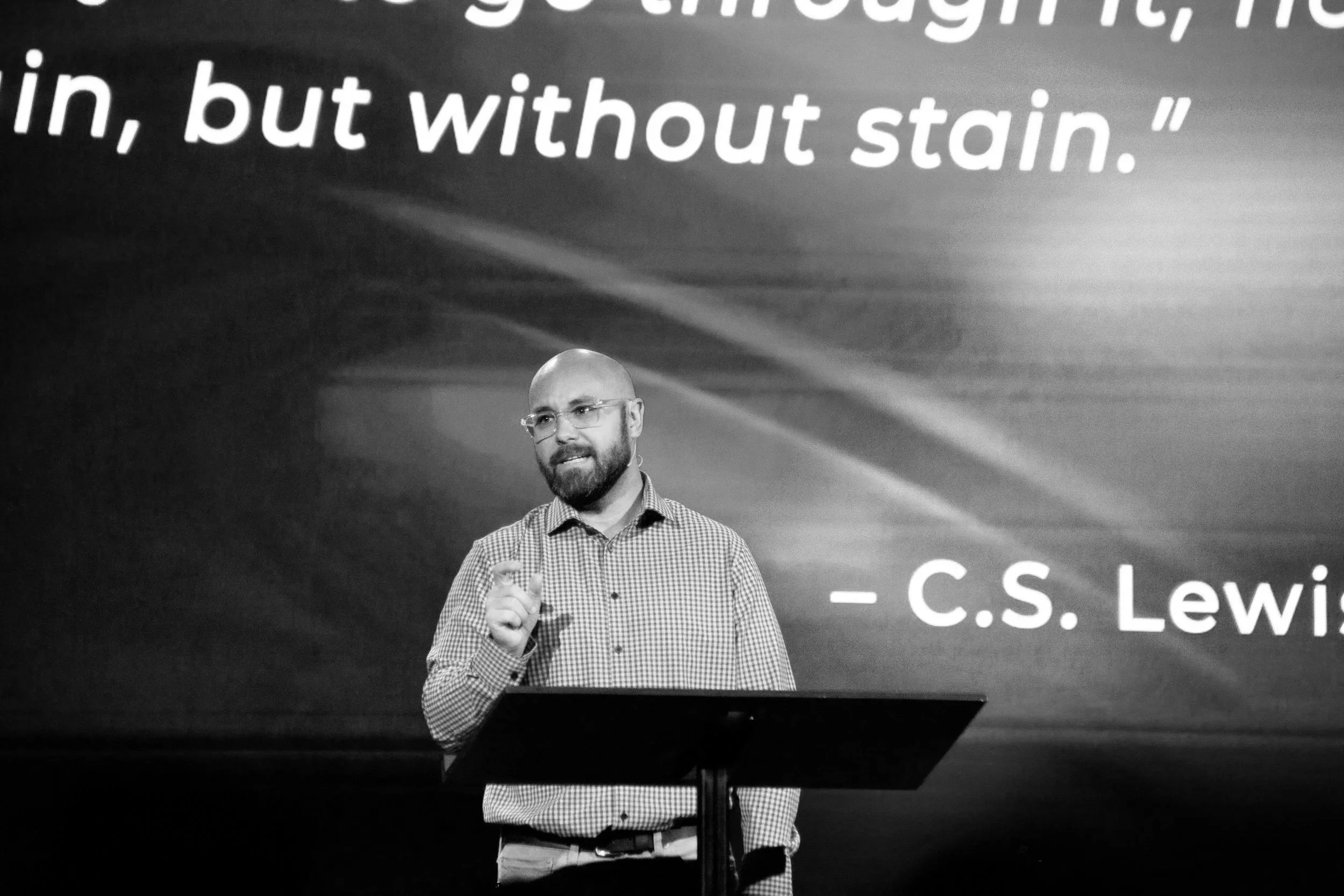
We bring the message and hope of Gospel-centered recovery to anyone who is willing to listen. Too many people don’t understand what Gospel-centered recovery means, how radical God’s grace truly is, and why shooting for Jesus and not sobriety is the best goal. We show up at conferences, churches, recovery meetings, treatment centers, and wherever else we can. Bring us to your city, church, program, or meeting by filling out this form.
EQUIPPING & EMPOWERING
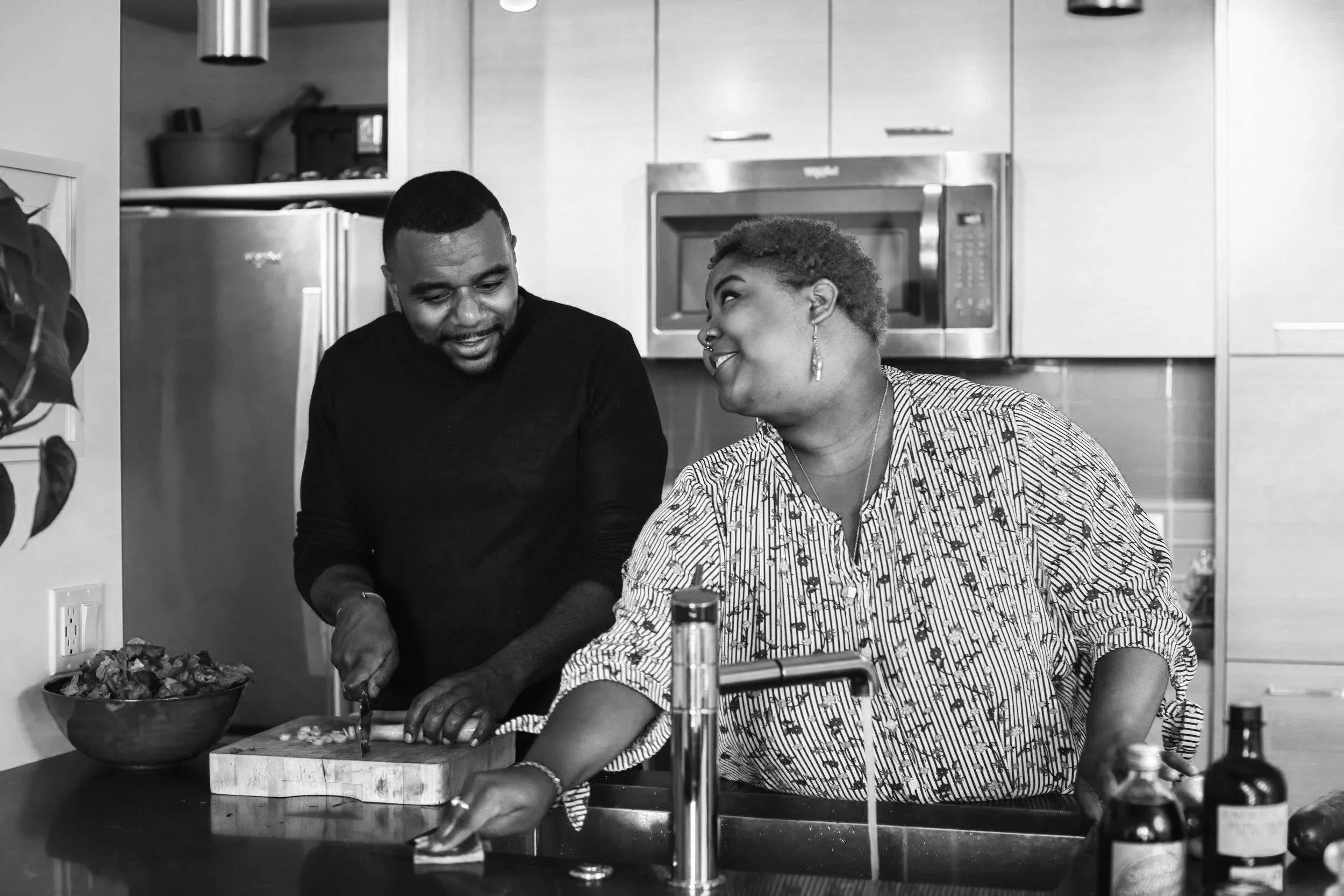
In all that we do, we are looking to both equip and empower individuals to engage in daily and ongoing surrender to Christ. That’s the only way to find true and lasting freedom. We equip and empower people in two key ways: by training them in Gospel-centered recovery principles, and also by equipping them to pursue meaningful work in their communities. We are currently developing a training series, and we are also developing a restaurant concept in the Dallas, TX, area that will provide those in early recovery with the opportunity to provide for themselves and their families, as well as invest in their communities.
Frequently Asked Questions
-
Gospel-centered recovery is very simply the idea that addictions go much deeper than we realize—and the only person that truly get to those roots is Jesus. Do addictions manifest physically? Absolutely! But any program or solution that doesn’t look to get to the true root of the problem—which lies in the heart—is insufficient. As spiritual beings, Jesus must be the goal of recovery. Aim for sobriety, and you may get it. Aim for Jesus and get sobriety thrown in. The best, most lasting, most fulfilled sobriety is the byproduct of a life that is fully restored and a heart that is properly oriented.
-
There’s a saying that goes, “the quickest way to get drunk is to go to church.” What’s that about? Well, often the church doesn’t offer practical help for those struggling with addictions. We want to help change that. We are not a “just pray more,” “just have more faith,” “just keep trying harder” ministry. (We call that “Gospel-only recovery.”) Certainly prayer and abiding in Christ are essential, but our philosophy marries both the spiritual and practical. In fact, we regularly recommend detox, treatment centers, and sober living homes for those who need it, and we do not disparage medicine and medical intervention. We’re also not opposed to 12-Step recovery programs as long as they put Jesus at the center and are subjected to Scripture. Part of our vision is to equip the church to both glorify Christ as the ultimate healer while offering practical help that invites holistic healing. In the end, we want to take back territory too often ceded to pop psychology and secular recovery programs.
-
Addiction is both a spiritual and a physical issue. Addictions most certainly have a physical component—from compulsive behavior to withdrawal symptoms to altered brain chemistry. However, we believe that the ultimate cause of any addiction is the sin and brokenness that entered the world in Genesis 3. While addictions do have a physical/mental component, they do not start there but rather in the heart. Are there factors such as family history, mental health issues, and genetics that contribute? Yes. But they are not the sole determining factors of whether someone will give themselves over to substances or other addictions.
-
Calling addiction a disease can be a helpful metaphor for explaining how it works and takes over. However, within the recovery community there are some who subscribe to what’s called the “addiction as disease” model, which treats addiction as identical to diseases like cancer. That model says addicts play little part in their disease and choice is minimized or non-existent. We do not believe this model is accurate, and side with those in the faith—as well as the scientific and psychological communities—who have rejected this categorization. Instead, we believe addiction is ultimately an issue that can be traced to sin, brokenness, and heart-level issues—and because of that, there is actually greater hope for recovery. If there wasn’t an element of choice to becoming an addict, there would be no hope for ever getting sober because you couldn’t choose to do so. Can what starts spiritually grow to manifest physically? Absolutely. Do biological factors and brain science contribute? You bet. But as even AA admits, addiction is a “spiritual malady.”
-
Yes! In fact, we encourage counseling and therapy. We believe strongly that getting to the roots of why we do the things we don’t want to do often requires an objective third party to help us see our blind spots. Counseling and therapy, then, can help us confront trauma, understand the sin issues our hearts gravitate towards, and give us both language and tools to invite Jesus into our past, present, and future. To that end, many of us have participated in biblical counseling, as well as therapy such as EMDR and IFS. However, we do believe that these practices are best done through Christian counselors who integrate Jesus into everything. That’s more than just including prayer—it’s inviting Jesus and the Holy Spirit into the entire process. In the end, modern therapy techniques and secular psychology are tools and must be subjected to the truth of Scripture. Perhaps not surprisingly, we do find science catching up to the Bible in many areas, and support faith-filled therapy and therapists that recognize such truths.
-
Great question. There are plenty of recovery programs out there. But we’re different for three reasons:
We unashamedly take a Gospel-centered approach. This actually isn’t as common or popular as some might think—even in some Christian recovery circles.
Despite our Gospel-centered approach, we still believe there is room for modern psychology, science, therapy, and medicine. These are common graces given to us by God. And while they should always be subject to the Gospel, they can still be useful when viewed through the lens of Scripture.
We know what we are good at, and that’s offering frontline (or entry-level) resources for those who either don’t have access to them, aren’t ready to approach their local church, or who are looking to supplement what they are already doing. We like to say we are spiritual first responders, and we actually partner with churches and other programs/ministries that offer deep discipleship and more specialized help. We don’t compete with those organizations, but rather help people find them.
-
There are Gospel-centered recovery ministries and programs that exist, from Re:gen to Celebrate Recovery, and even secular ones like AA. We recognize and even funnel people to those. So why do we still exist?
It’s simple: We provide help and hope where others can’t, don’t, or won’t.
Current programs:
Focus mainly on local gatherings
Prioritize meetings
Require extensive commitments
Are oriented around deep discipleship
Are localized
Are based largely on 12-step recovery models
In the end, there is a large, desperate group of people that current Gospel-centered recovery programs (let alone secular recovery programs) don’t serve.
These people need immediate help, hope, and accessible resources that speak to where they’re at—and where they need to go.
So our goal is to introduce, teach, and point people who lack access, knowledge, or even courage toward Gospel-centered recovery. We answer distress signals from the outskirts, treat wounds and assess the need, and then bring people to the hospital that best fits their deeper needs.
-
We don’t have a program. We aren’t a program. What we do is create frontline resources that introduce Gospel-centered recovery principles, offer immediate help and hope to those struggling, and then we point them to the best programs and opportunities that can meet their deeper needs. We are not a hospital, that’s the church. We are not a doctor, that’s Jesus. We are spiritual first responders. Our goal is to find those who need help, meet their needs, and then funnel them toward necessary programs, other resources, and especially deeper discipleship through the local church.
-
Absolutely not! In fact, we want to ultimately funnel people to the local church where deep discipleship is best carried out. We are meant to be a supplement to the church, not a replacement for it. However, we have found that too many people either don’t have access to Gospel-centered recovery resources, or they are too ashamed to engage their local church when they realize they need help. We are called to serve those people and eventually guide them to deeper discipleship.
-
No! While our background is specifically in substance abuse, we believe that the Gospel speaks to all sorts of addictions and at all levels. That includes food, people-pleasing, gaming, co-dependency, and anything else that has become misordered in someone’s life.
-
This is a great question, and one we get a lot. In the end, we believe the answer to this question is different in Gospel-centered recovery than it is in secular recovery. Secular recovery has historically focused primarily on quantity and frequency. For example, it’s preoccupied with how much you drink and how often. But the Gospel goes deeper to the heart. What does that mean? Anything that is misordered is disordered. Anything that we put on the throne of our hearts—and our lives—is a problem. For example, we are called to be “sober-minded” and not give ourselves over to things like drunkenness. The Bible also makes clear that anything the Holy Spirit convicts us to do and we don’t do (such as give something up even if we’re not over-indulging) is sin. Still have questions? Join our free, weekly Sunday night Zoom call and fire away!
-
AA and other 12-Step recovery programs have helped millions find sobriety. We thank God for that! In fact, we believe that AA and similar programs can be helpful tools in someone’s recovery. However, we believe that AA is too often treated as the struggler’s savior instead of Jesus. Too many, for example, have exchanged their drug of choice for meetings, thus refusing to truly get to the heart of their addictions. In many secular-based 12-Step programs, sobriety is the main goal. As long as you are sober, you are considered successful. At Veritas, sobriety is what allows much of the deeper work to take place. Our hope is that continued sobriety becomes the byproduct of a more flourishing, fulfilled life found in Jesus. Additionally, while AA’s founders may have grounded some of their principles in faith, the reality is that the AA of today has largely become hostile to Christianity and especially to Jesus. AA and the 12 Steps can be helpful tools, but they should be a supplement to, not the object of, holistic recovery focused on Christ.
-
Nope. We want to help anyone and everyone who wants not only sobriety but also total flourishing. We have met many recovery “lifers” who have become disillusioned by traditional programs, as well as newly sober individuals who don’t resonate with secular recovery, and we aim to be a resource for them. We like to say, then, that we are especially—but not exclusively—for Christians struggling with doing what they don’t want to do.
-
Yes! We are here to help both men and women find the most flourishing and fulfilled life found in Jesus. We do, however, find ourselves being a place where men who have limited resources feel especially at home. In our experience, there are plenty of women-only sobriety communities—even Christian ones—but men have fewer options. Because of that, we get a lot of referrals from female-only communities to serve the men that come to them looking for help. And we love it!
Our Board
Veritas Recovery is led by a board of directors passionate about people finding freedom through the power of Christ. Our board members come from a variety of backgrounds and bring decades of experience in business, fundraising, recovery, and pastoral care.
-
Founder & Executive Director
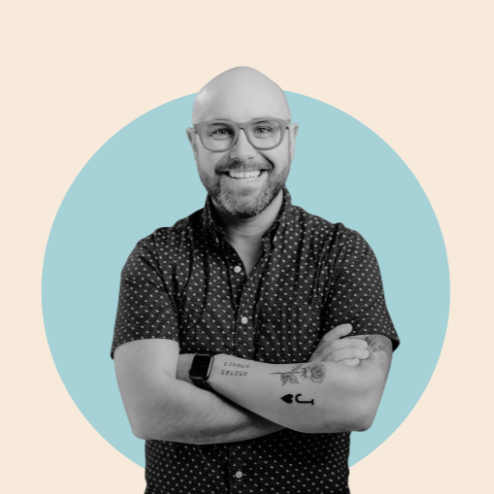
Jon has been telling stories and leading organizations his whole life—first after helping start a successful news website (TheBlaze) and then as the editor in chief of the popular nonprofit I Am Second. He writes and speaks all across the country on the power of storytelling, radical vulnerability, faith, mental health, and addiction. He’s worked with some of the biggest names in media, including Glenn Beck, Kirk Cameron, Arthur Brooks, and Chip and Joanna Gaines. His first book, Finding Rest, became a bestseller and a top 100 book on Amazon. His latest book, Confessions of a Christian Alcoholic, is his radically vulnerable story of being the Christian who became an alcoholic, his climb out of addiction, and how others can break free from all of life’s entanglements. Shortly after its release, it became the top new release in addiction recovery on Amazon. He lives in Frisco, TX, with his wife and two children and holds a Masters in Theological Studies from Southwestern Seminary.
-
Board Member
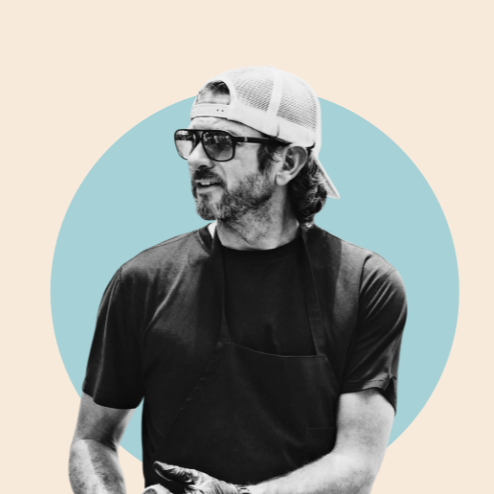
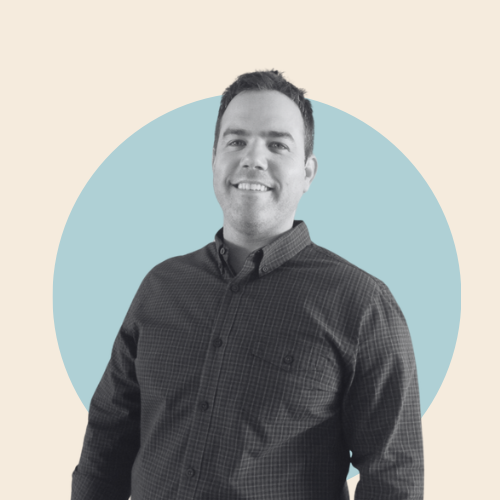
Travis is a talented chef with a unique ability to connect with people. As a man in recovery himself, he understands the importance of the Gospel-centered message. He brings decades of experience in pro sports, media, business, and hospitality to the board, serving as a major champion for the ministry.
-
Board Member
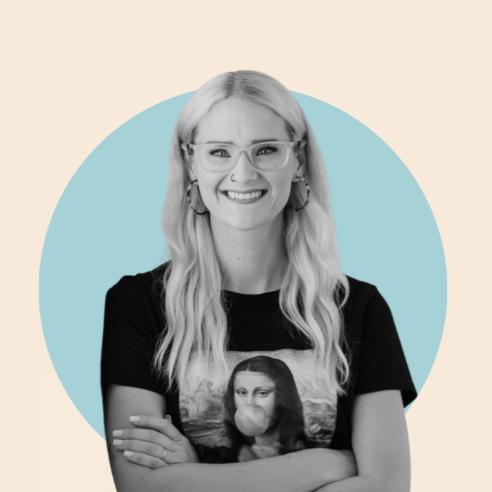
Dillon is an entrepreneur in the highly competitive oil and gas space who also serves as a deacon at his local church. He came to know the Lord as an adult after marriage, an experience that has shaped his heart for discipleship and service within the church and the community. He lives in Frisco, Texas, where he runs Trinity Tubular Products.
-
Board Member
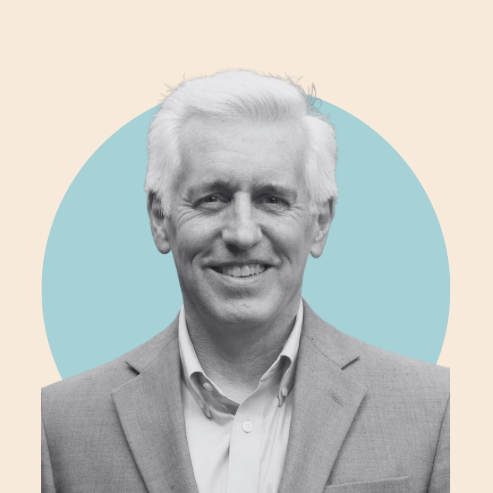
Brett is a serial entrepreneur and the founder and principal of luxury interior design firm, Lewis & Rose Interiors. With a passion for marginalized communities, she has helped lead nonprofits in both New York City and West Dallas. As Jon’s wife, she is integral to helping shape the vision of Veritas Recovery.
-
Board Member
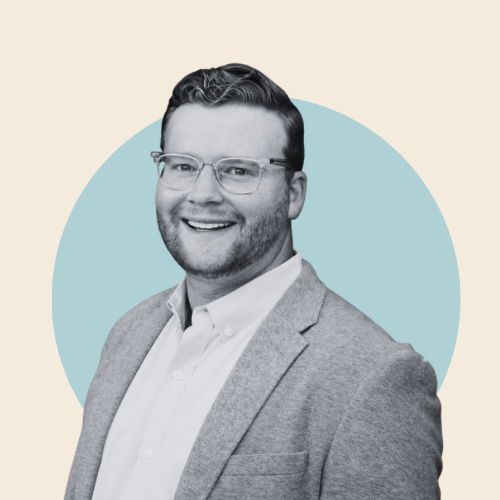
Steve is veteran nonprofit leader and former pastor. He is the founder and chairman of Lx Partners, an executive network that multiplies the impact and influence of leaders worldwide. He also oversees the annual Flourishing@Work Summit at Harvard, and coaches elite c-suite and church communicators.
-
Board Member
Chris is a Certified Financial Planner and Certified Kingdom Advisor who founded Flourish Financial Planning, a firm focused on serving believers by bringing an eternal perspective to financial and tax advice. Chris is also a founding member of the Christian Financial Advisor Network and serves as an elder at Beacon Church, which he helped plant in Bedford, TX.
Strategic Advisory Council
In addition to a board of directors, Veritas Recovery leans on a group of advisors— who are experts in their fields—to offer guidance. These people come from all walks of life and believe in the mission of Veritas. They selflessly donate their time and talents to further the message of Gospel-centered recovery while offering council to the board and executive director. We are honored and humbled by their support.
-
Caroline is a Christian author, speaker, and the Managing Editor of Recovery.com, a company that combines independent research with expert guidance on addiction and mental health treatment. She is also the author of three books, Downstairs Church, You Are Not Your Trauma, and her newest work When You Love Someone in Recovery: A Hopeful Guide for Understanding Addiction. Her own lived experience in addiction, mental health, and trauma recovery inspires her to help other others find help, wholeness, and healing. A native of Wisconsin, she now lives in Tennessee where she has amassed a global network of recovery advocates.
-
Gina is a licensed therapist and author of Generations Deep: Unmasking Inherited Dysfunction and Trauma to Rewrite Our Stories Through Faith and Therapy. She works at the intersection of faith and therapy, where the science of the brain and the hope of the Gospel come together to help people live whole, flourishing lives. She desires to help people understand the stories they carry, to heal what has shaped them, and to begin changing what gets passed on. To that end, she has become a leading advocate for epigenetic, the science of how trauma is passed from one generation to another.
-
Brian Bosche is the president of John Maxwell’s Maxwell Leadership and the co-founder, along with his wife Gabrielle, of The Purpose Company. A former journalist turned entrepreneur, Brian is passionate about helping people find their exact purpose and leveraging it to help others. He’s built numerous successful business and consulted the US Military, Fortune 500 companies, and helped more than 20,000 leaders worldwide. Originally from Virginia, he now lives in Atlanta, GA.
-
Christina Dent is the Founder and VP of Mission for the nonprofit End It For Good and the author of Curious: A Foster Mom's Discovery of an Unexpected Solution to Drugs and Addiction. She is a TEDx speaker who speaks across the country on health-centered solutions to drugs and addiction, and her writing has been featured in publications such as USA Today, Newsweek, and The Washington Examiner.
-
Ian is a former professional soccer player who built a successful career in advertising. His life came crashing down when his alcoholism took away nearly everything. Today, he leads Restoration Recovery at Mission Hills Church in Mission Viejo, CA, where he serves as the Pastor of Care and Recovery.
-
Billy is a digital TV host and interviewer for Faithwire and CBN News and the co-host of CBN’s "Quick Start Podcast." Hallowell has written more than 14,000 stories on faith, culture and politics, has interviewed hundreds of celebrities, authors, and influencers, and is the author of four books, including Playing with Fire: A Modern Investigation into Demons, Exorcism, and Ghosts, and The Armageddon Code: One Journalist's Quest for End-Times Answers. He was formerly the director of content and communications at Pure Flix and the former faith and culture editor at TheBlaze.
-
Julie helps individuals rebuild clarity, steadiness, and sustainable change from the inside out. She is a coach and commercial real estate investor with extensive experience leading in high-responsibility environments. With personal experience navigating the realities of alcohol and its impact, she brings both strategic insight and lived understanding to the recovery space.
-
Christy is the author of Love Life Sober, a devotional that helps women change their relationship with alcohol. An ex-pat who lives in London, she realized she needed to make a change in her own life after the death of her mother. She now helps thousands of women across the globe change their relationship with alcohol by taking a Gospel-centered approach.
-
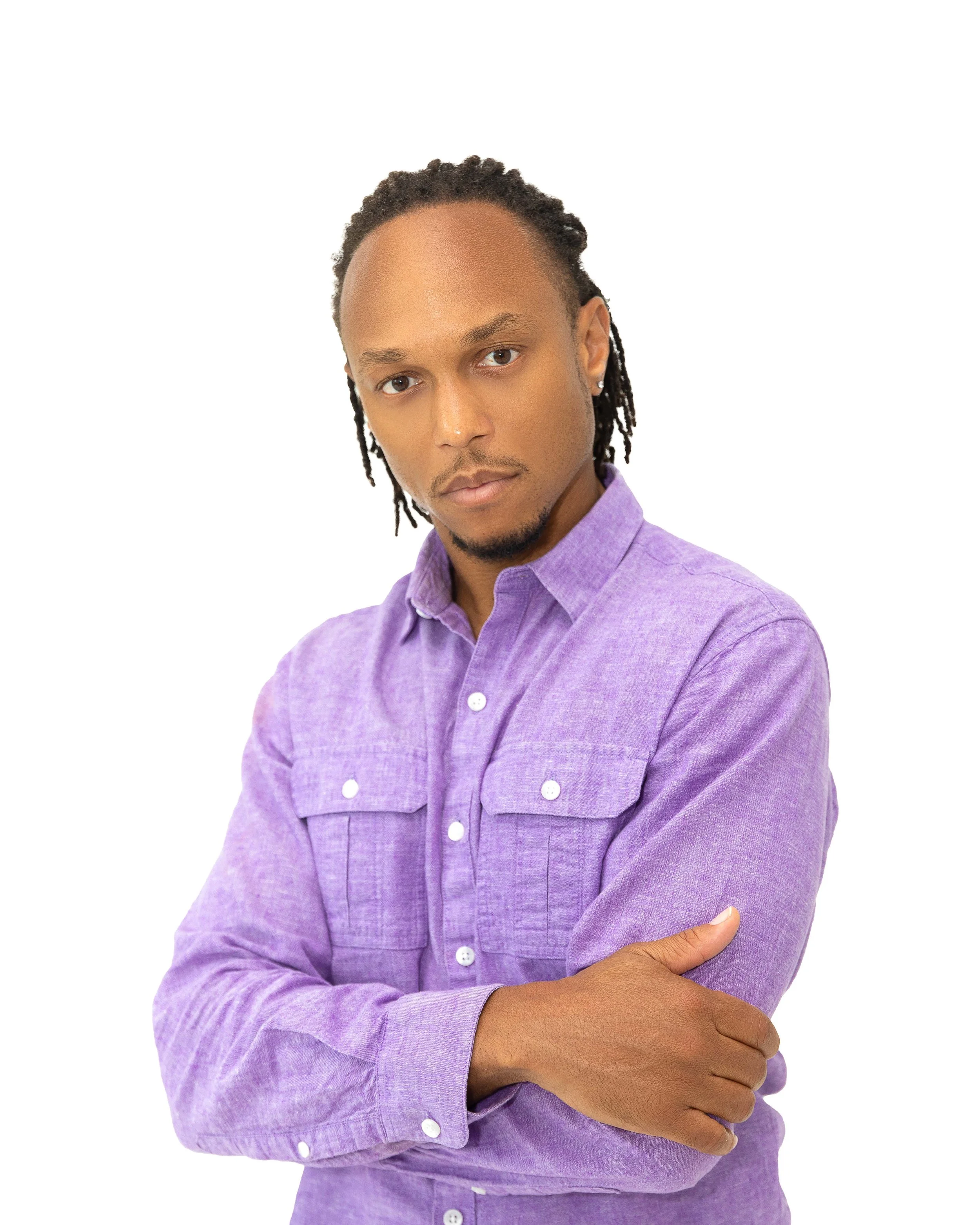
Brandon is a seasoned creative strategist, working with organizations and creative teams to turn ideas into executable strategies. He helps people bring clarity, structure, and disciplined thinking to creative projects through his firm, Production Masterminds. With over 15 years of experience across media and production, Brandon specializes in aligning teams, building systems, and guiding the strategic decisions that allow creative work and intellectual property to scale effectively.

-
Zoe is a licensed psychotherapist, relationship coach, author of Stronger In The Difficult Places, and dynamic speaker with over two decades of experience helping people transform their lives. As the founder of the concept complex shame, she is a trailblazer in the fields of emotional wellness and relational healing. She has been featured in OprahMag.com, Today.com, a docuseries on OWN network, Recovery Magazine and numerous other media outlets.
-
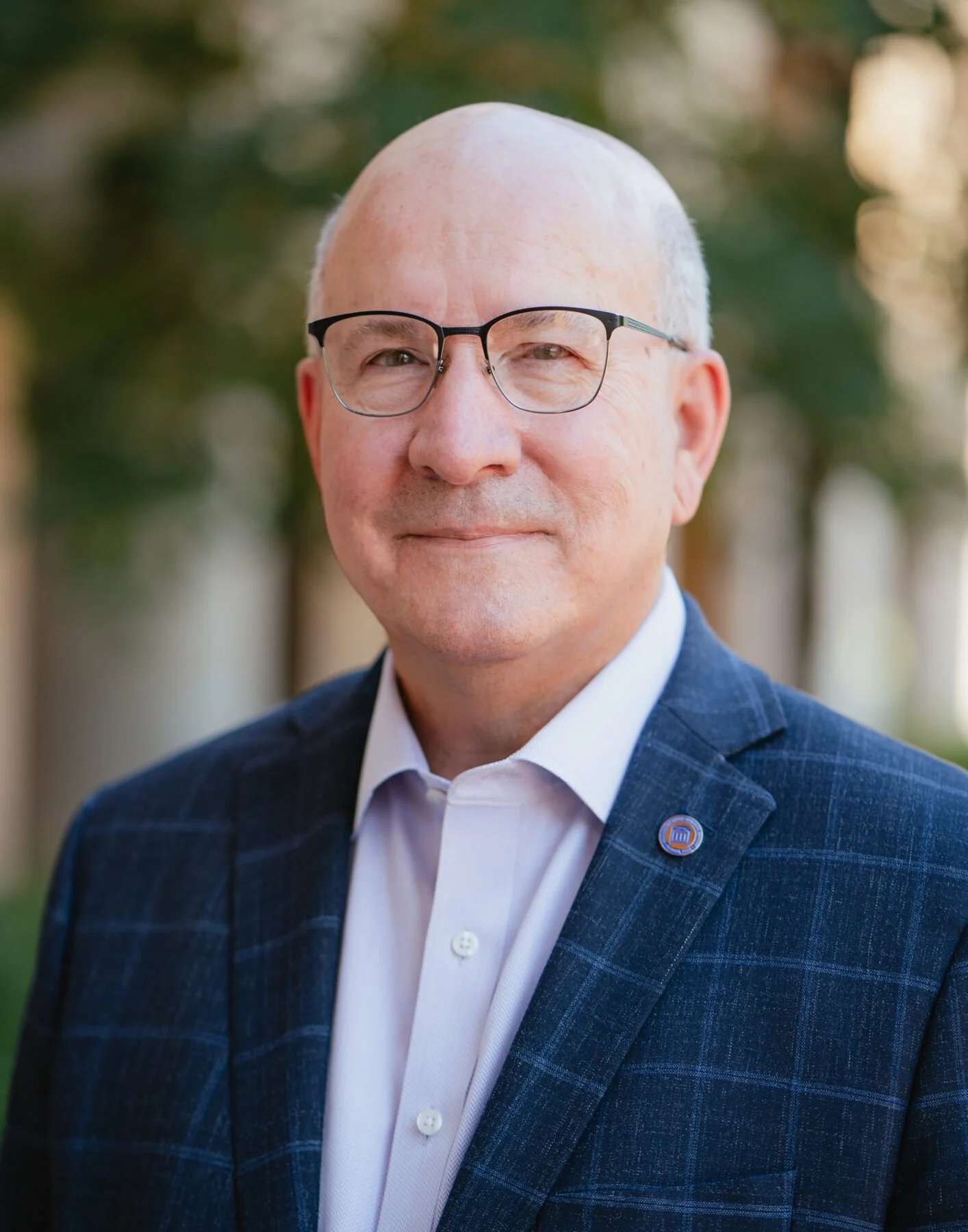
Dr. Chris Shirley is Dean of the Terry School of Educational Ministries at Southwestern Baptist Theological Seminary. In more than 15 years of service at Southwestern, Dr. Shirley has taught in the areas of discipleship, family ministry, and Bible teaching. He also has 20 years of ministry experience in Christian camping and local church ministry. Dr. Shirley and his wife, Isabel, have two grown children and five grandchildren. They are active members of Wedgwood Baptist Church in Fort Worth, TX, where he serves as an elder, small group teacher, and choir member.
-
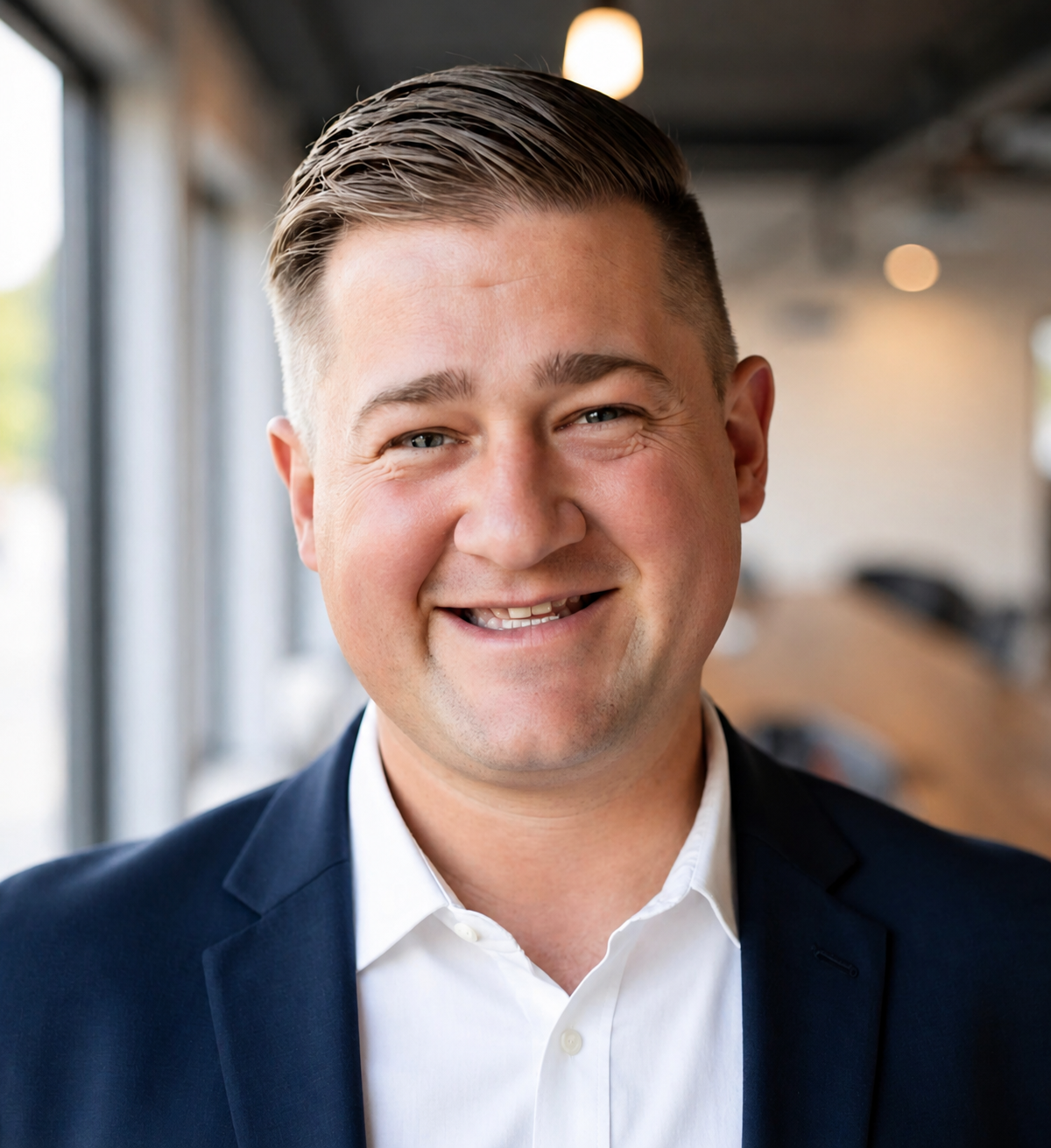
Joel is the executive director of 423 Communities, a Christ-centered recovery ministry helping men, women, spouses, families, and churches find healing from sexual brokenness, addiction, betrayal trauma, and shame. He is passionate about equipping the local church to become a safe and faithful place for confession, restoration, and long-term discipleship. He lives in the Dallas area with his wife, Rachel, and their four children.
-
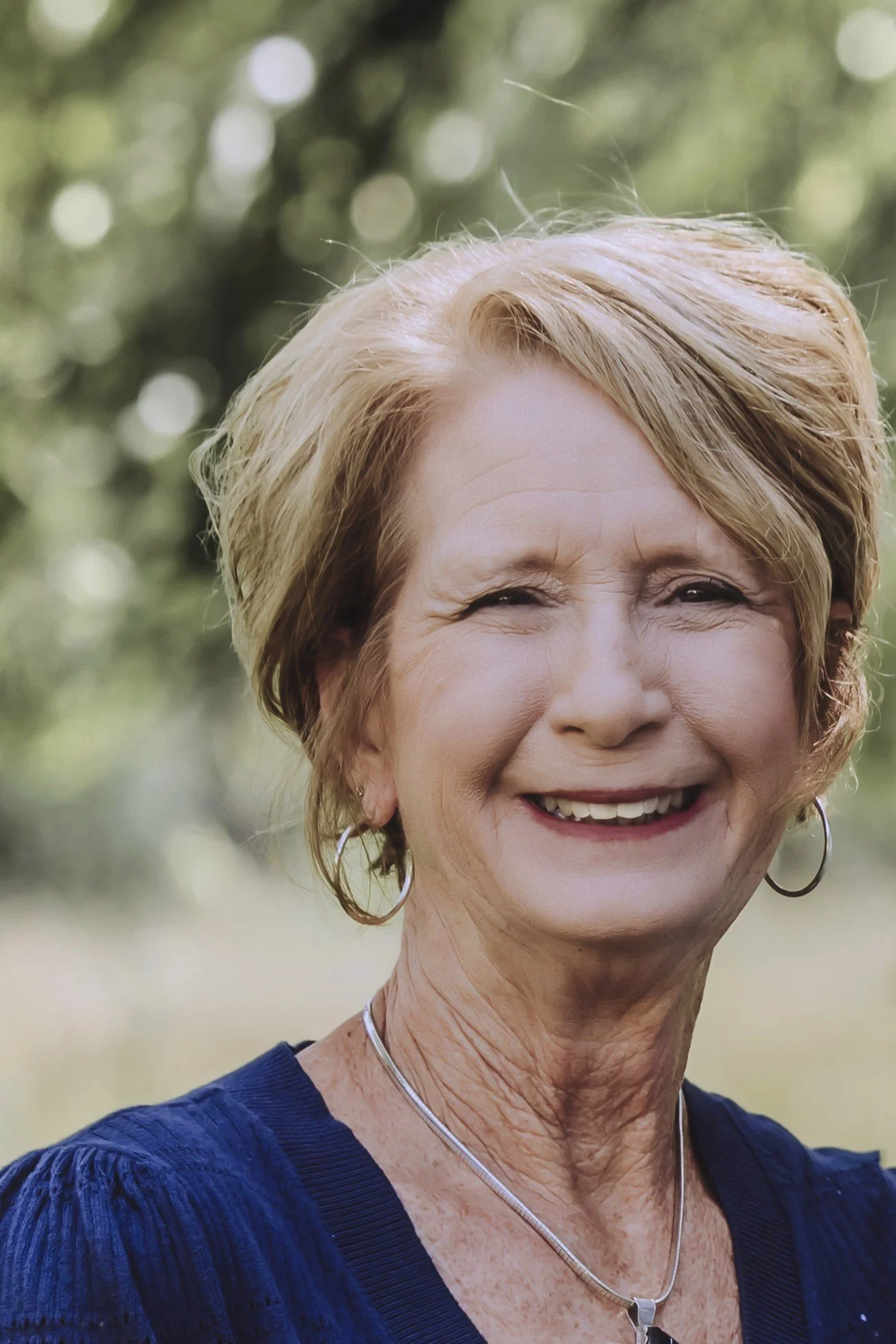
Michele is the director of Celebrate Recovery at Eastern Heights Baptist Church in Statesboro, GA. She has spent decades in recovery ministry with her husband, Dan, and is a woman in recovery herself.